

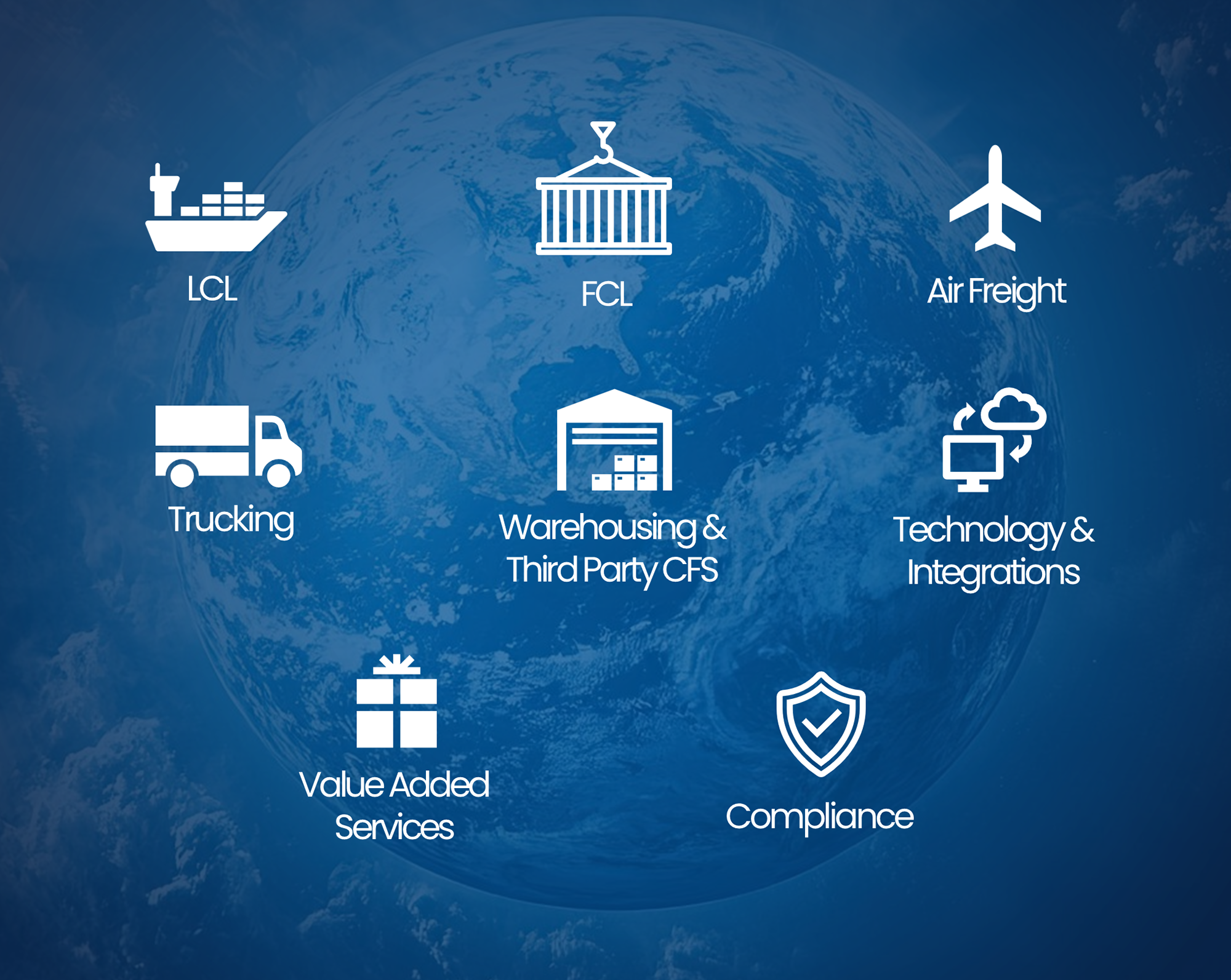
 A broader portfolio matters when shipment requirements change. Volumes fluctuate, timelines compress, and routing decisions shift with congestion and capacity. Forwarders work more smoothly when they can select an appropriate service without adding a new partner every time the shipment profile changes.
A practical way to look at multimodal capability is to match each service to common operating needs:
FCL shipping services
FCL fits when container-level control matters. That often includes higher-volume shipments, cargo that should not be split, and lanes where direct container movement reduces handling and complexity. Many shipper accounts also swing between LCL and FCL depending on seasonality. A consistent provider model helps forwarders avoid reworking processes each time.
Air freight forwarding services
Air becomes relevant when time is the constraint. Urgent replenishment, production recovery, and tight delivery windows can all push a shipment into air. Air can also support a split strategy, where critical SKUs move faster while the rest follow an ocean plan. That approach depends on coordination across schedules, documents, and handoffs.
Hybrid Sea-Air and Air-Sea services
Hybrid services can be useful when ocean schedules cannot meet delivery windows and full air costs are hard to justify for an entire shipment. Hybrid routing can also reduce exposure when a gateway becomes unreliable, and an alternate path offers better timing predictability.
Ocean LCL consolidation in an integrated portfolio
LCL remains central for many forwarders because it supports steady replenishment, multi-consignee flows, and cargo that naturally lends itself to consolidation. In an integrated portfolio, LCL works best when it connects cleanly to other services. That gives forwarders stability for routine flows and options when the shipment profile changes.
Domestic trucking in the USA

Domestic pickup and delivery affect the reliability of the timeline. A missed pickup, a late delivery to a receiving point, or unclear appointment handling can undo a good ocean or air plan. Domestic capability helps tighten coordination around these handoffs, especially when customers ship from multiple U.S. origin points.
U.S. IPI capabilities for inland destinations
IPI matters when the delivery point is inland. Inland coverage affects transit time, cost exposure, and the number of parties involved between discharge and final delivery. A structured IPI capability supports more predictable planning beyond coastal gateways and helps forwarders quote inland delivery with clearer service expectations.
Integrated Freight Execution Through CFS Operations
Reliability in freight transportation depends not only on the movement of cargo, but also on how effectively activities surrounding that movement are coordinated. A container freight station (CFS) such as International Cargo Terminals (ICT), supports this coordination through a network of bonded facilities offering consolidation, deconsolidation, transloading, warehousing, and inland distribution services. By reducing the number of disconnected handoffs and applying standardized handling processes, ICT helps create a more consistent operating framework across the shipment lifecycle.
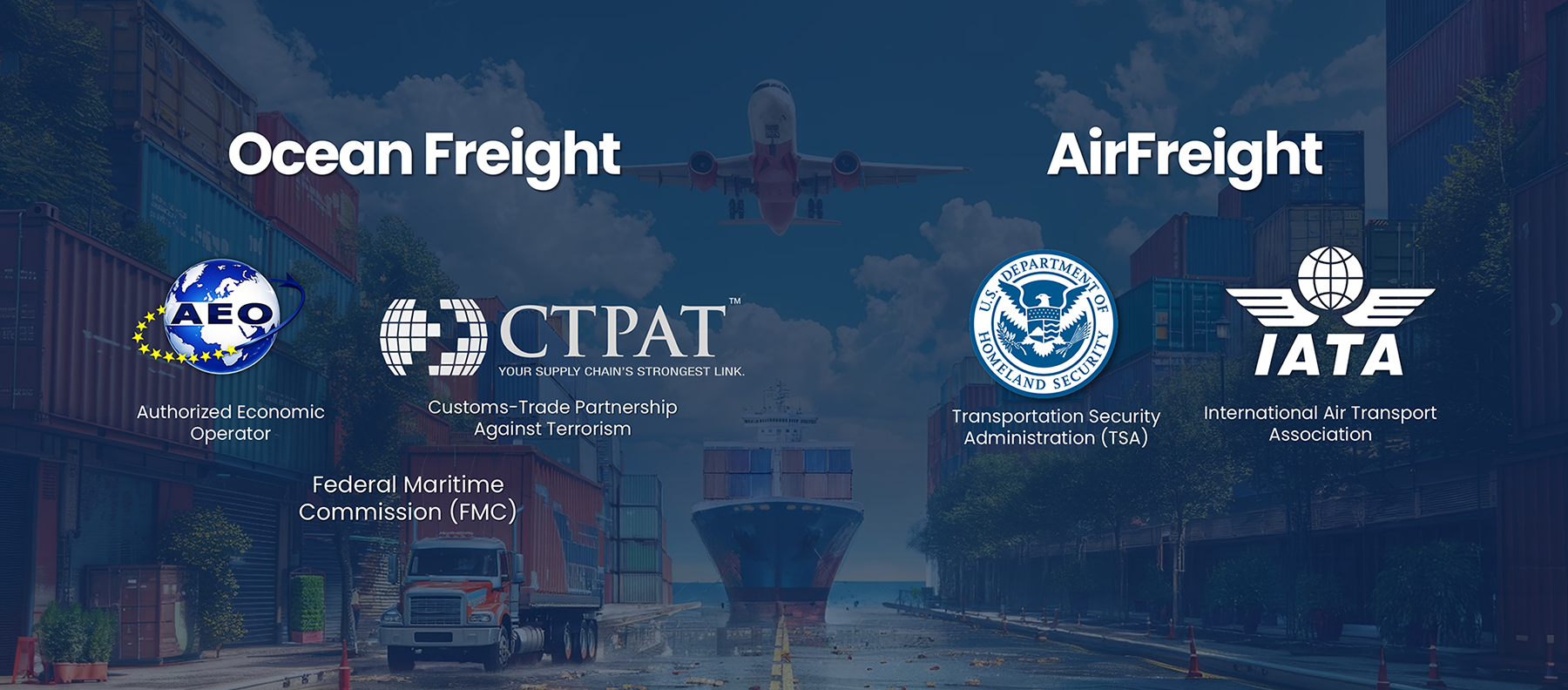
Online access to live rates and self-serve quoting
 Online access to rates supports faster customer responses and quicker evaluation of service options. It also reduces delays created by manual rate confirmation cycles during busy periods.
Online bookings
Online booking can shorten cycle time and reduce back-and-forth. A standardized booking flow also supports cleaner execution downstream because shipment data is captured more consistently at the start.
Online shipping instructions and documentation uploads
Electronic shipping instructions improve accuracy and speed up documentation. Document update workflows matter because changes are normal in live operations. A clean amendment path reduces delays when corrections are needed quickly.
Shipment visibility and milestone tracking
Visibility supports proactive updates and earlier exception awareness. Milestone tracking also reduces status-chase workload, which matters when teams manage many shipments across multiple markets.
