
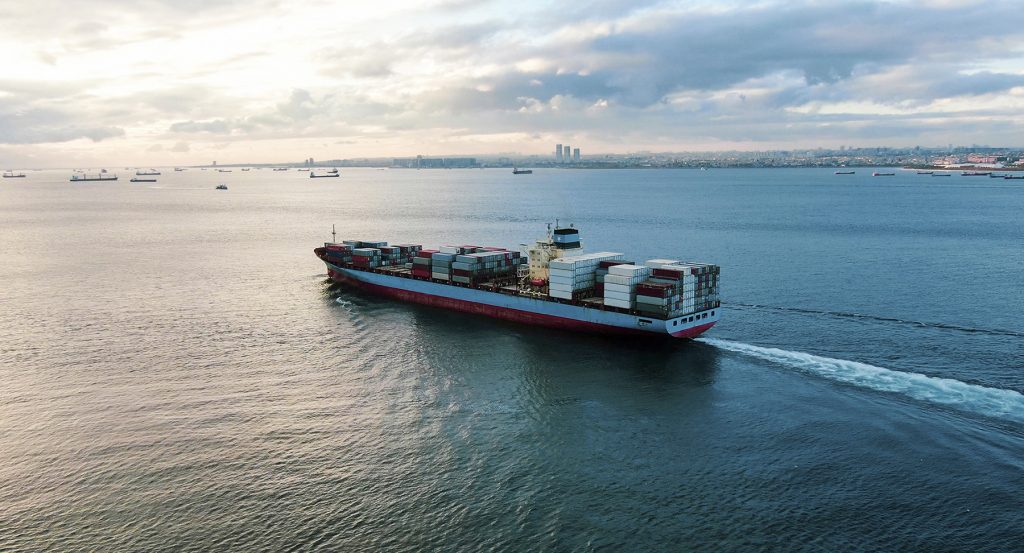
Carriers are moving to correct a capacity oversupply on major East-West routes, rolling out blank sailings after the anticipated demand ahead of the Lunar New Year failed to come through.
According to Drewry, carriers have announced 103 blank sailings out of 704 scheduled departures, representing 15% of planned sailings between February 2nd and March 8th. The majority of blank sailings are on the Trans-Pacific Eastbound, followed by Asia–Europe/Mediterranean, and Trans-Atlantic Westbound trades.
As reported by Seatrade Maritime, the market downturn was further confirmed in the financial report released by Ocean Network Express (ONE) on January 30, posting a net loss of USD 88 million for the third quarter of FY2025. In the carrier’s earnings release, ONE CEO Jeremy Nixon noted: “Although market dynamics have impacted our performance during the quarter, we remain focused on disciplined capacity management, cost control, and ongoing network optimization to enhance operational resilience.”
Drewry added that the weakening market has been compounded by several external pressures, including disruptive winter weather across the U.S. and the North Atlantic, labor risks in Northern Europe, and uncertainty about when carriers will fully transition routing from the Cape of Good Hope to the Suez Canal. Yet, these factors have not been sufficient to counteract the broader demand downturn.
Meanwhile, U.S. inventory dynamics present puzzling signals. Although containerized imports declined by 6%, and U.S. retail sales increased 4% year‑on‑year, U.S. inventories are still increasing, although at a slower rate. Explaining the discrepancy, Alan Murphy, CEO, noted several possible factors, including timing differences in reported data, shifts to non‑containerized import modes, or changes in trading terms that affect when companies record inventory ownership.
“This would technically result in an increase in the financial measure of inventories, even without a corresponding increase in physical container flow.” He added, “For now, all we can say is that this discrepancy does indeed look peculiar.”
Source: Drewry, Seatrade Maritime, ONE, Sea-Intelligence