Ocean freight movements into and out of the Middle East and Eastern Mediterranean are experiencing significant disruption and coinciding with the post–Lunar New Year rebound in Asian manufacturing activity.
Carriers continue to adjust operations in response to the escalating conflict involving Iran. Widespread delays, suspended routings, and capacity shortages are affecting multiple trade lanes.
In a customer advisory issued on March 6, Shipco Transport outlined a series of actions across major carrier networks which included service suspensions, booking halts, vessel withdrawals, and route diversions.
Commercial vessel traffic through the Strait of Hormuz have been suspended, preventing cargo bound for the United Arab Emirates, Qatar, Kuwait, Iraq, and Eastern Saudi Arabia from moving via established ocean corridors. An estimated 2 million TEU of cargo is now affected. The closure has removed direct access to key Persian Gulf ports and stopped all less-than-cargo load (LCL) movements in and out of the region.
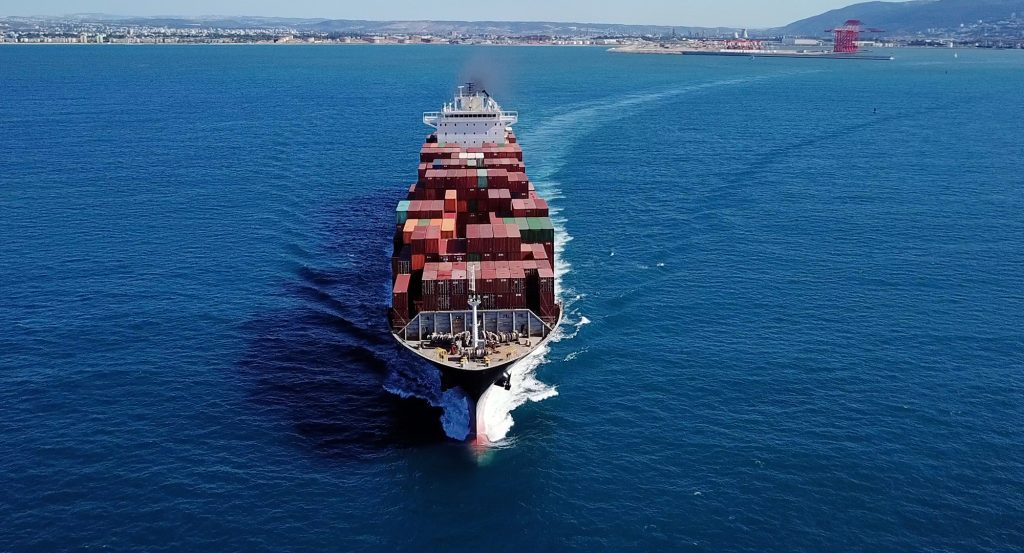
Carriers have also ceased operating through the Suez Canal and the Bab el Mandeb Strait due to security concerns. Vessels are instead rerouting around the Cape of Good Hope. This has led to sharp rate increases and has left large volumes of cargo stranded.
As carriers reconfigure Middle East, India Subcontinent, and Red Sea services, the resulting network restructuring is driving omitted port calls, blank sailings, and prolonged schedule gaps. Eastern Mediterranean ports remain operational; however, the knock‑on effects of service restructuring will bring about increased congestion at major Eastern Mediterranean and European transshipment hubs.
Shipco is advising forwarders to build additional lead time into planning cycles to account for unpredictable network performance. Because carriers are adjusting routes with rising operating and insurance costs, pricing volatility and the introduction of surcharges are expected to continue. Forwarders are encouraged to secure space early, evaluate alternative gateways or routings where feasible, and avoid moving time‑critical shipments into the affected region
Source: Shipco Transport