
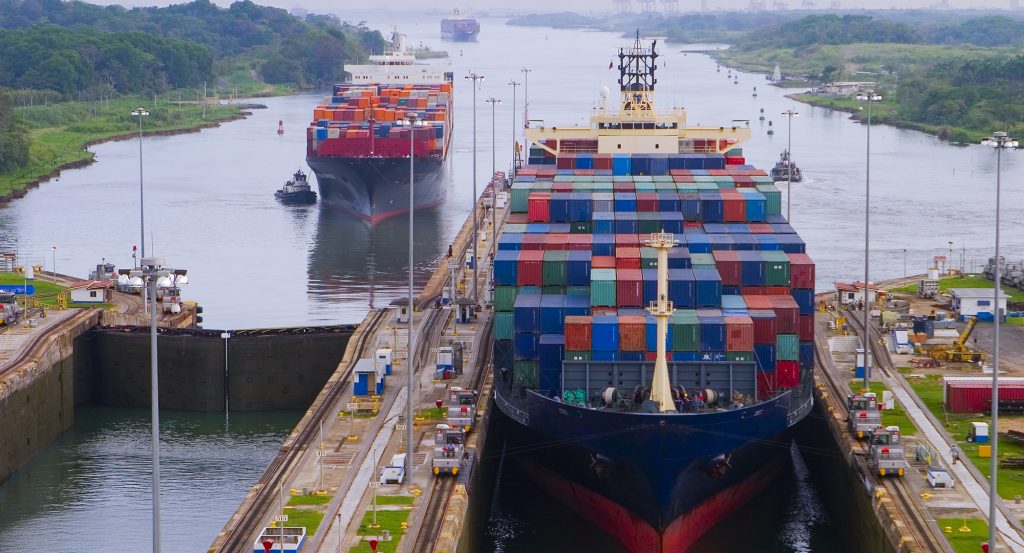
The Panama Canal is operating with greater stability in 2026. Traffic volumes have increased, as vessel restrictions eased, and water conditions have improved. Between October 2025 and March 2026, the canal recorded over 6,288 vessel transits, with 224 more vessel transits compared with the prior year, as reported by splash247.
Consistent rainfall has kept water levels at Gatún and Alhajuela Lakes at their highest levels. This has allowed the Panama Canal Authority to restore the full 50‑foot draft for Neopanamax vessels. According to reporting from gCaptain, these conditions have eliminated transit delays for operators using the Long‑Term Slot Allocation system. Normal operations are expected through December 2026, said Ilya Espino de Marotta, Panama Canal’s Chief Sustainability Officer.
While operating conditions have improved, access costs have risen sharply for vessels without advance reservations. Auction prices for non‑reserved transit slots have increased by approximately 180% since last year, with occasional bids exceeding $1 million for immediate passage.
Suez Canal authorities continue to offer between three and five auction slots per day, reported splash247. The ongoing conflict in the Middle East has also contributed to higher demand for canal slots and increasing competition for reservations. However, Panama Canal Vice President of Finance Víctor Vial noted that most vessels have secured advance transits, which he said has provided greater certainty for users.
During the first half of fiscal year 2026, total cargo throughput increased by 5% year-over-year. Panama Canal Administrator Dr. Ricaurte Vásquez Morales highlighted that container traffic and liquefied petroleum gas shipments recorded “strong performance”.
Besides physical capacity and pricing, broader supply chain risks have risen around governance and geopolitics. Vessels sailing under the Panamanian flag are experiencing a higher frequency of inspections and detentions at Chinese ports, according to the U.S. Federal Maritime Commission.
These factors carry added weight given that an estimated 5% to 6% of global trade volume moves through the Panama Canal.
As reported by ShippingWatch, Panamanian authorities had terminated a long‑standing concession with CK Hutchison and assigned port operations to two other companies.
Source: splash247, gCaptain, Canal de Panama, ShippingWatch