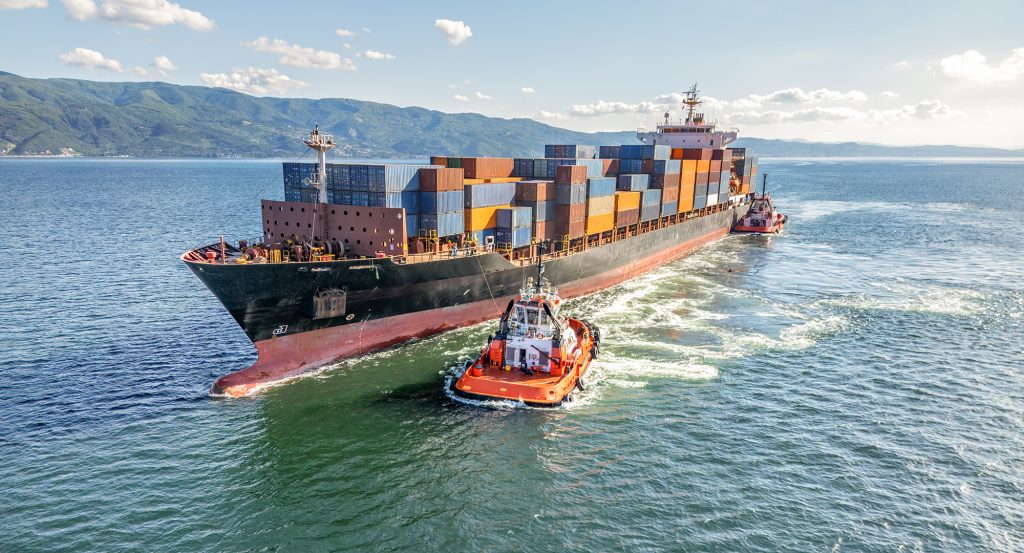
As naval forces concentrate on escalating security risks in the Middle East, it leaves other areas such as the Somali coast less protected.
According to the European Union Naval Force (EUNAVFOR) Operation Atalanta, instability driven by Iran war, continued Houthi attacks, and the crisis in the Strait of Hormuz has placed significant strain on naval resources traditionally tasked with counter-piracy operations. Subsequently, this is being exploited by pirate groups.
Whie Iran and the U.S. continue to enforce a dual blockade of the Strait of Hormuz, as reported by Seatrade Maritime News, it is estimated that 1,000 vessels and approximately 20,000 crew members are still stranded in the Persian Gulf.
This shift in naval focus has created what maritime security agencies describe as a widening opportunity for piracy. EUNAVFOR and the UK Maritime Trade Operations (UKMTO) have confirmed multiple incidents involving the seizure of cargo ships, tankers, and local fishing boats.
The heightened risk is also reflected in updated threat assessments. The Joint Maritime Information Center (JMIC) has raised the threat level for the Somali Coast and Somali Basin to “substantial”, indicating that attacks are considered very likely.
Timing is also a critical factor, with pirate groups exploiting the seasonal gap between monsoon periods as weather conditions are favorable, according to reporting from The Maritime Executive.
The United Nations cited a joint study by the World Bank, the United Nations Office on Drugs and Crime (UNODC), and INTERPOL, which estimated that Somali piracy cost the global economy up to $18 billion annually, at the height of the crisis.
Source: EUNAVFOR, Seatrade Maritime News, The Maritime Executive, United Nations