
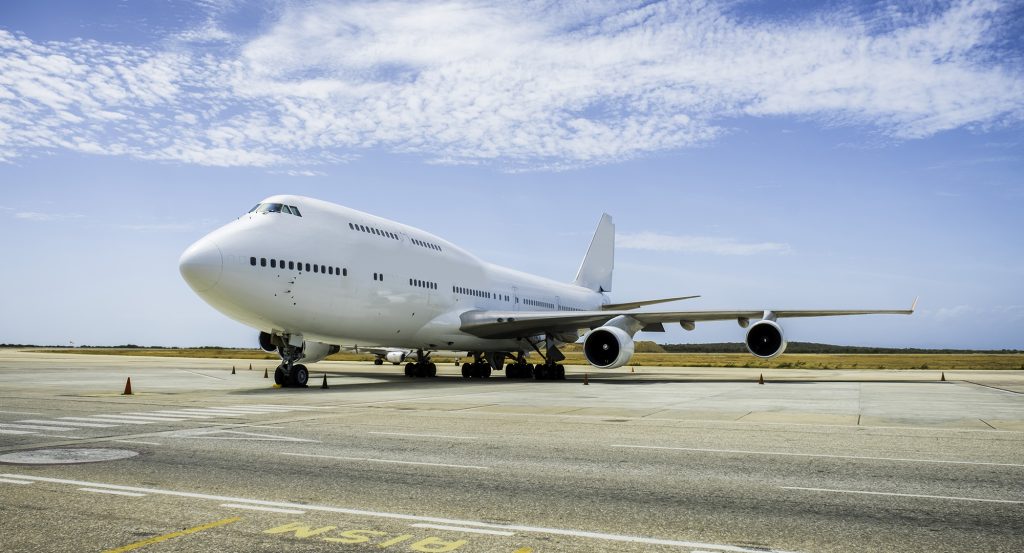
With the U.S. Department of Transportation lifting its 2019 ban on commercial passenger and cargo flights between the United States and Venezuela, international airlines are moving rapidly to re-establish air freight connections to the market.
According to reporting from Air Cargo News, data from Rotate shows that total international cargo capacity to Venezuela increased by 40% year over year as of April 2026. While narrowbody capacity recorded a decline, widebody cargo capacity surged by over 400%, pointing to a renewed focus on freight operations.
The competitive landscape has also been reshaped during ban. As reported by Air Cargo News, carriers that led the Venezuelan market in 2025, including Uniworld Air Cargo, AeroSucre, and Conviasa, have been overtaken in 2026 by operators such as DHL, Avianca Cargo, Amerijet, and Cargojet.
According to reporting from Cargo Facts, Cargojet has launched its first flight connecting Miami and Santo Domingo. Meanwhile, Amerijet’s service from Miami to Caracas marked the start of a one-year service agreement, and the carrier expects to be transporting oil and gas equipment, e-commerce, and personal items.
Further capacity has been added through Avianca Cargo’s network expansion. As reported by the American Journal of Transportation, the carrier introduced a dedicated freighter service linking Bogotá, Colombia, and Caracas, Venezuela, offering up to 60 tons of capacity per flight. This is complemented by an additional seven tons of weekly belly-hold capacity on existing passenger services.
Operational efficiency is also a key factor in the renewed interest in Venezuelan airspace. Reporting from Air Cargo Week noted that Venezuelan airspace provides the most direct routing for cargo flights between North America and destinations across the Caribbean and South America. The need to avoid Venezuelan airspace has historically increased fuel costs by up to 20%.
Source: Air Cargo News (published March 12 and April 28) , Cargo facts, American Journal of Transportation, Air Cargo Week