U.S. containerized import volumes demonstrated resilience in July despite continued uncertainty surrounding trade policy, tariffs, and geopolitical developments. According to the National Retail Federation (NRF), retail sales recorded a tenth consecutive month growth in July, reflecting continued consumer spending even as broader economic indicators remain mixed.
As reported by Descartes’, U.S. containerized imports rose 4.5% month-over-month. While volumes remained -4.3% below July 2025 levels, the year-over-year comparison is influenced by unusually strong import activity last year, when many shippers accelerated cargo movements ahead of anticipated U.S. policy changes.
China was the largest contributor to July’s growth, accounting for most of the increase among the top ten U.S. sourcing countries. Import volumes also expanded from several other major trading partners, including Hong Kong, Germany, Japan, South Korea, India, and Vietnam. American Shipper observed, “The broad-based increase points to a stronger seasonal flow of cargo from key Asian and European sourcing markets.”
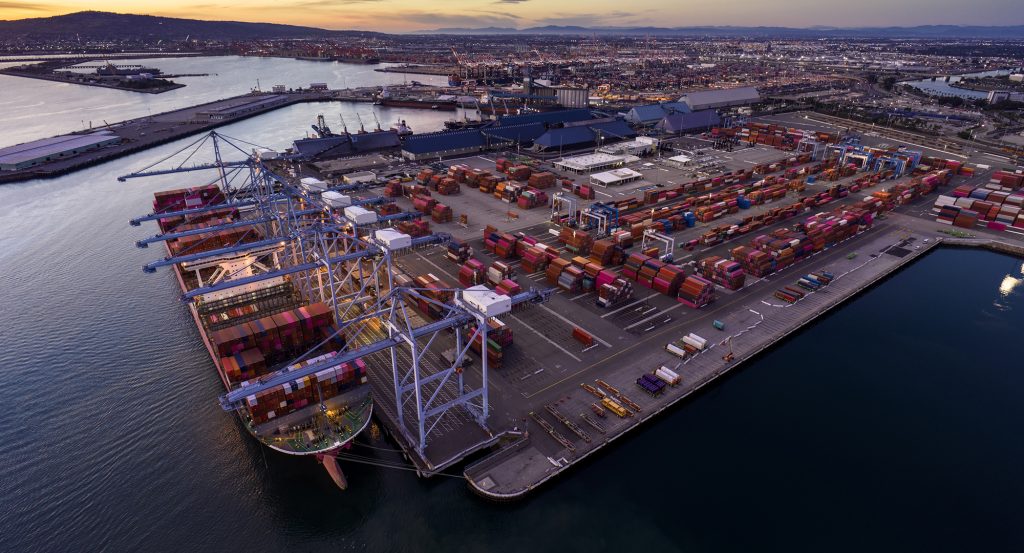
Most major U.S. ports recorded higher throughput during the month The Port of Long Beach reported its second-busiest July on record, showing continued cargo momentum, leading to one of the strongest months in its history. Drawing on Descartes’ latest port performance data, U.S. gateway activity remained resilient. West Coast ports continued to gain share, handling 45% of all imports, while East and Gulf Coast ports represented 39.8%. Gulf Coast import volumes rose 13.8% from June and moved above longer-term averages. Transit times increased at several major ports; however, no widespread congestion trends were reported.
Industry analysts are expecting peak season demand to extend through September, but the operating environment remains complex. Descartes pointed to an unsettled trade environment, highlighting the operational and policy uncertainty importers continue to face through the second half of 2026. “As changing tariffs, elevated Middle East maritime risk, tighter Panama Canal draft restrictions and continued Red Sea disruption continue to affect costs, capacity and schedule reliability, having flexible sourcing and routing strategies will help U.S. importers respond quickly as conditions evolve,” said Jackson Wood, Director of Industry Strategy at Descartes.
Source: NRF, Descartes, Port of Long Beach, American Shipper