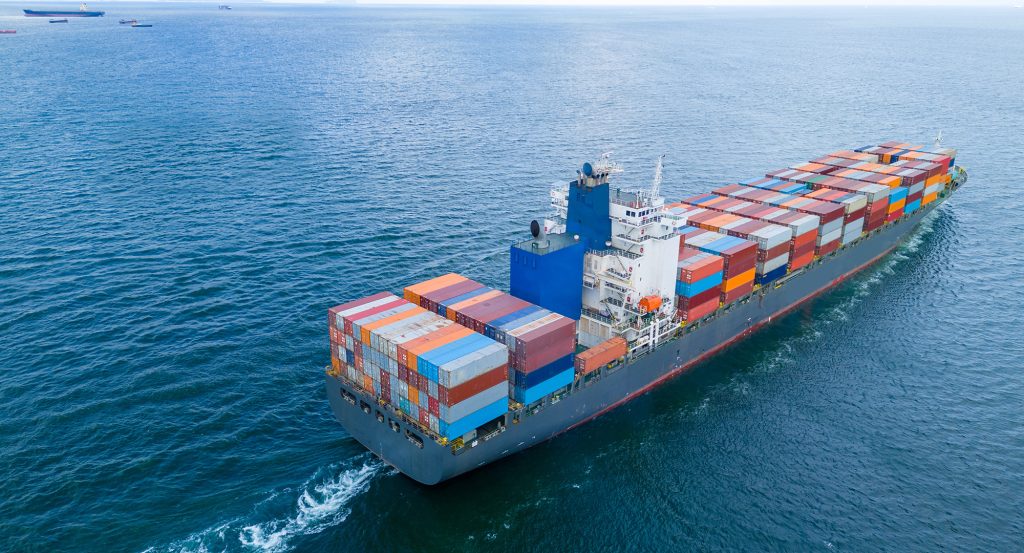
U.S.-bound services from Asia have emerged as a particularly strong market for container carriers, outperforming Asia-Europe services as the traditional peak shipping season continues into November. According to reporting from splash247, citing Alphaliner analysis, the U.S. import season began gaining momentum in May and freight rates are approaching levels last seen during the pandemic.
The prolonged U.S. import surge is also reflected in cargo volumes handled at the Port of Los Angeles. At its November 2026 cargo briefing, the port reported that October was the second consecutive month in which throughput exceeded one million TEUs, following a new monthly record set in September. It was the third time this year that volumes crossed the one million TEUs mark.
Gene Seroka, Executive Director of the Port of Los Angeles, pointed to several factors for the strong performance. “American consumers keep spending, retailers keep restocking, and shifts in trade policy keep creating new opportunities for importers,” said Seroka. He noted continued disruption across global shipping routes as another factor supporting record levels of cargo moved by the Port of Los Angeles and Long Beach.
Carriers are also pacing their capacity decisions because of the sustained demand. According to splash247, Sea-Intelligence data indicates that weekly capacity between Asia and the U.S. West Coast could reach 400,000 TEUs in November. Sea-Intelligence, however, noted that congestion and delayed sailings may be contributing to the unusually high figure. splash247 also cited Freightos analysis suggesting that preparations for Lunar New Year could help sustain demand and limit downward pressure on freight rates.
The strength of the Trans-Pacific market is not being driven by high-value technology cargo. Alan Murphy, CEO of Sea-Intelligence, said its analysis indicates that much of the 2026 peak has come from conventional containerized merchandise and manufacturing inputs. “We are seeing strong growth in the import of everyday consumer items like apparel, toys, games, sporting goods, and bicycles. Additionally, there are major increases in raw materials and intermediate goods like plastics, paper, packaging, and everyday hardware.”
High-value AI chips and IT equipment, by contrast, are more likely to move by air, Murphy noted. Kim Ekstroem, Global COO, Airfreight, explained the economics behind that choice: “There are commodities that are so expensive that the interest lost in having the cargo or the merchandise sitting in inventory is just too much money to tie up in inventories.”
Source: splash247, American Shipper, Port of Los Angeles, Sea-Intelligence, Shipco Transport