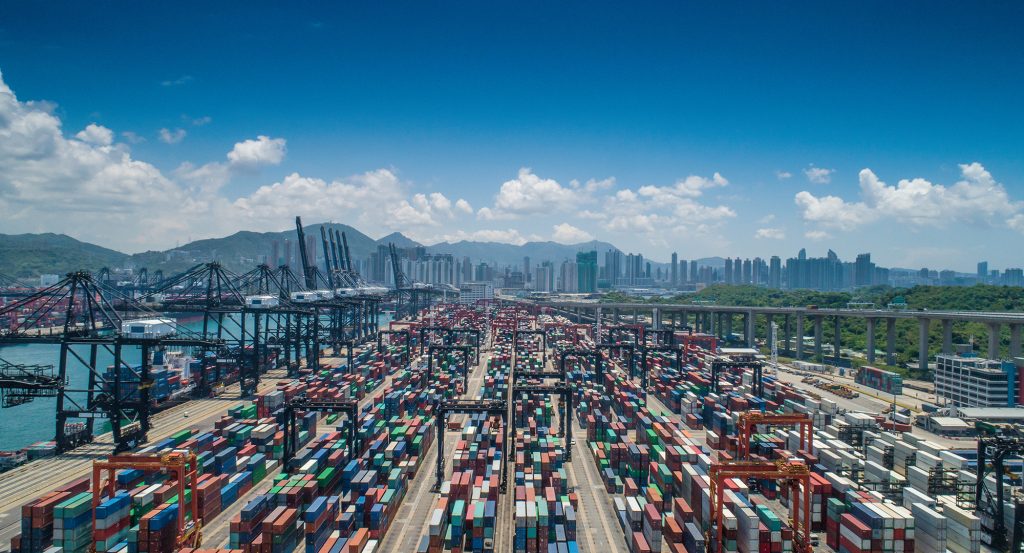
Sea-Intelligence reported that 1.7 million TEUs of container capacity were tied up in port-related delays in June, representing 5% of global deep-sea container capacity. This figure indicates the share of delayed capacity has more than doubled compared to the pre-pandemic average of 2.2% recorded between 2011 and 2019.
Sea-Intelligence’s CEO, Alan Murphy pointed out that the amount of capacity effectively removed due to ongoing delays is significant. “If we look at only the extra 2.8% of absorbed capacity above the pre‑pandemic baseline level of 2.2%, it equals 1.0 million TEUs of absorbed capacity. That specific amount of missing space is almost equal to the entire total capacity of HMM, the current 8th largest container shipping line,” he observed.
Schedule reliability has also remained under pressure. As reported by Sea-Intelligence, global schedule reliability stands at 62.6% in June and has primarily stabilized within a range of 60-65%. However, it sits below the 70-80% reliability levels that were typically seen before the pandemic.
The challenge extends beyond vessels arriving behind schedule. Sea-Intelligence data indicated that these vessels which were late, are also facing longer delays. Vessels now experience average delays of five to five-and-a-half days, compared with three to four days prior to the pandemic.
Operational disruptions have been further compounded by severe weather events, such as typhoons and droughts affecting key trade routes. At the same time, larger vessel deployments continue to place additional strain on port infrastructure. According to reporting from The Loadstar, citing analysis from Alphaliner, the growing number of calls by larger container ships is overwhelming and straining port infrastructure, causing congestion.
The importance of port efficiency was reinforced in the 2025 Container Port Performance Index, jointly produced by the World Bank Group and S&P Global Market Intelligence. The report had found that high-performing ports were generally better equipped to absorb operational disruptions and maintain cargo flows.
Source: splash247, Sea-Intelligence, The Loadstar