Global container shipping spot rates have reached their highest levels in two years. A combination of geopolitical tensions in the Middle East, heavy congestion at Southeast Asian transshipment hubs, and an unusually early start to the peak shipping season has driven the surge. This development is reflected in recent data from leading maritime indices, which confirm a sharp rise in spot rates.
According to reporting from Drewry’s World Container Index, global freight rates increased by 23%, led by significant gains on Transpacific and Asia–Europe trades. Citing the Shanghai Containerized Freight Index (SCFI), ShippingWatch reported that SCFI rates rose by a further 6% week-over-week, which followed a sharp 16% increase the previous week.
Lars Jensen, CEO of Vespucci Maritime, who was cited by splash247, said the strong supply-demand imbalance has favored the ocean carriers, resulting in the successful implementation of peak season surcharges and freight-all-kinds increases.
In terms of demand-side pressures on the Trans-Pacific trade route, shippers have accelerated bookings in anticipation of U.S. tariff adjustments expected to take effect in July. As reported by ShippingWatch, other demand drivers include inventory replenishment, early year-end retail shipments, and increased freight demand as logistics preparations for the upcoming World Cup in the U.S., Mexico, and Canada intensify.
On the Asia–Europe trade, volumes are also being advanced into June ahead of a planned July 1 bunker fuel adjustment. Carriers have also implemented higher FAK rates and surcharges on this lane, reinforcing upward price momentum.
Supply-side constraints continue to strain global capacity. Ongoing tensions in the Middle East and the Red Sea crisis have forced vessels to reroute around Africa, extending transit times and absorbing available capacity. Rising fuel costs linked to geopolitical instability are further contributing to higher surcharges.
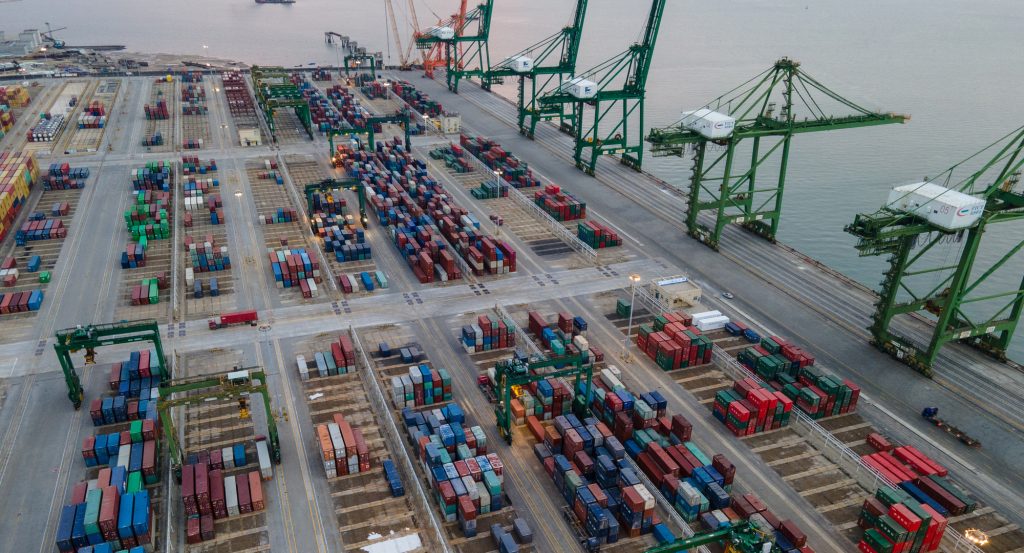
These disruptions are also impacting port operations. As reported by gCaptain, the shift in vessel routing patterns has created significant congestion at key Southeast Asian transshipment hubs, including Singapore and Port Klang. The resulting delays are cascading across global networks, reducing schedule reliability and affecting flows even on less directly impacted routes such as the Trans-Pacific.
Industry consensus points to continued volatility in the months ahead, with elevated rate levels and operational disruptions expected to persist through the summer of 2026.
Source: ShippingWatch, Drewry, gCaptain