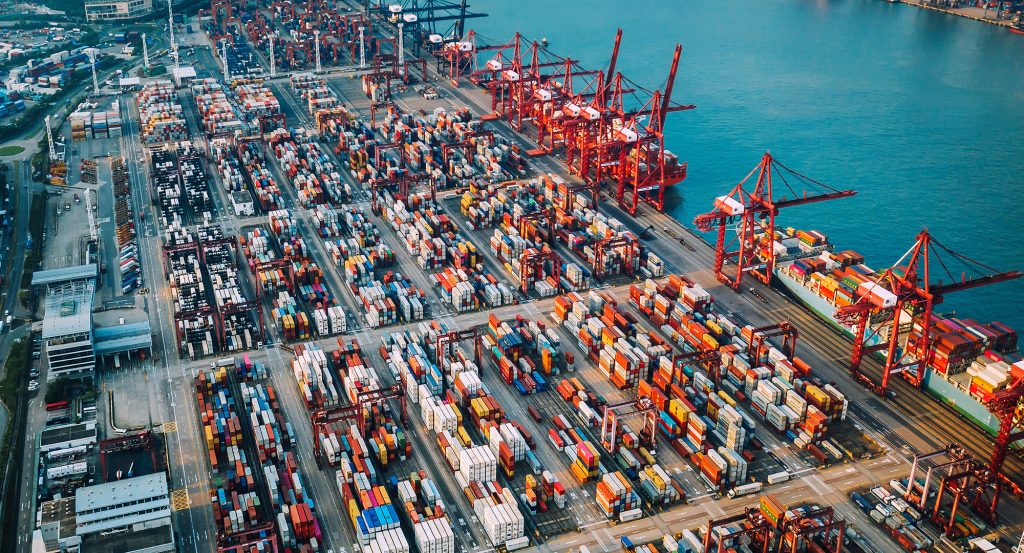
Speaking at the Port of Los Angeles’ media briefing on July 15, Executive Director Gene Seroka reported that more than 1 million TEUs were processed in June at the port. This volume represents a 12% year-over-year increase, brought on by strong import demand.
Seroka said shippers are changing how they move their cargo. “Importers aren’t simply moving more cargo now; they’re moving it differently. Many companies have stepped away from traditional seasonal shipping patterns, advancing cargo whenever they see an opening rather than waiting for perfect conditions.”
The Port of Long Beach also reported strong growth. According to the port, June marked its third-busiest on record. Port of Long Beach CEO Noel Hacegaba said the surge was supported by retailers accelerating shipments ahead of anticipated trade policy changes later this summer. “Businesses are preparing for volatility, not certainty,” Hacegaba said, adding, “Retailers are intent on restocking shelves while keeping prices as low as possible, helping to drive the frontloading we’re seeing right now.”
Seroka noted that the outlook for the second half of the year will be difficult to predict, as companies working with changing conditions in real time. He also pointed to shifting U.S. trade policy and the impact of the temporary 10% Section 122 tariffs, which will expire on July 24.
Geopolitical developments are adding further pressure. As reported by Supply Chain Dive, ongoing conflict involving Iran continues to impact transportation costs, with fuel now accounting for as much as 30% of a vessel’s voyage expenses. Ocean carriers are expected to pass these increases to importers and exporters in the form of higher surcharges, Seroka said.
According to reporting from American Shipper, citing Xeneta data, spot rates from the Far East to U.S. West Coast and East Coast ports are still up 276% and 232%, respectively, compared with levels prior to the escalation earlier this year.
Seroka also highlighted the impact of developments in the Middle East, including the possibility of simultaneous disruption of both of the Middle East’s primary oil export routes.
Source: Port of Los Angeles, Port of Long Beach, Supply Chain Dive, American Shipper