
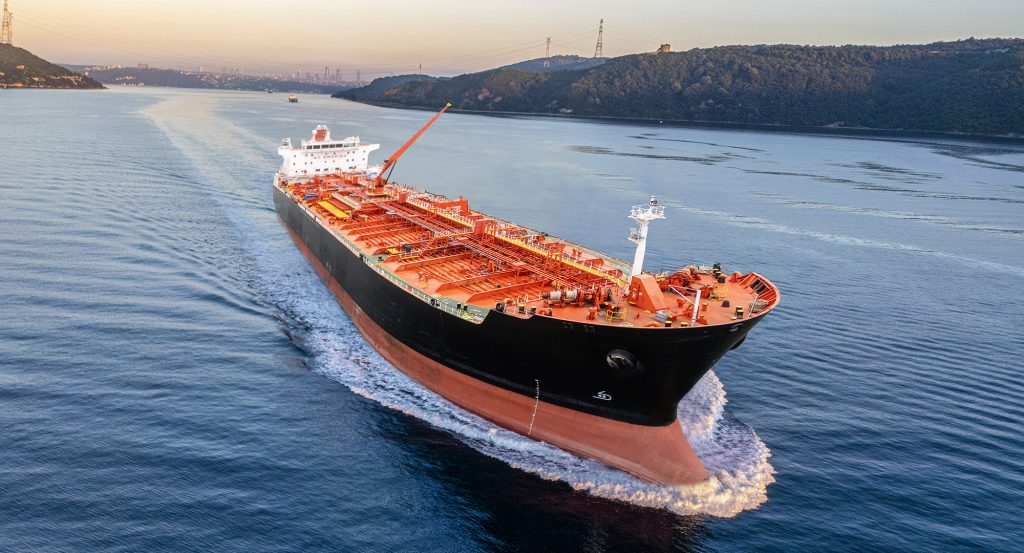
The Middle East conflict and disruption to shipping through the Strait of Hormuz are expected to have lasting implications for the global energy system, according to the International Energy Agency’s (IEA) World Energy Outlook 2026 (WEO-2026). Before the crisis, around one-fifth of global oil consumption moved through the Strait.
The IEA indicated that the effects on energy markets have been amplified by risks in transiting through the Red Sea, alongside continued disruption to Russian supplies as Russia’s war with Ukraine enters its fifth year.
IEA Executive Director Fatih Birol described the Hormuz crisis as a major shock to the global energy system, warning of a greater impact the longer the disruption continues. “While the energy sector and the global economy have shown considerable resilience, the longer the crisis lasts, the deeper the effects will be. And I don’t see any credible pathway for the energy world to return to the way it was before,” said IEA Executive Director Fatih Birol.
According to the IEA, the scale of the 2026 crisis is significant, with around three-quarters of the world’s population living in countries that import oil and gas. More than four billion people live in countries that rely on the Strait of Hormuz for over 30% of their oil supplies.
As reported by the Financial Times, the IEA said reducing dependence on the Strait of Hormuz would be possible but would require substantial investment in new bypass pipelines and alternative sources of supply in other parts of the world.
The IEA expects the Middle East to remain the world’s largest oil-exporting region, while countries take steps to reduce their reliance on the Strait of Hormuz. This could include diversifying energy supply, redirecting trade flows, changing fuel mixes and technology supply chains, increasing the use of domestically available energy resources, and accelerating electrification.
Under the IEA’s outlook, oil volumes moving through the Strait could fall from around 20 million barrels per day before the crisis to less than two million barrels per day by 2035.