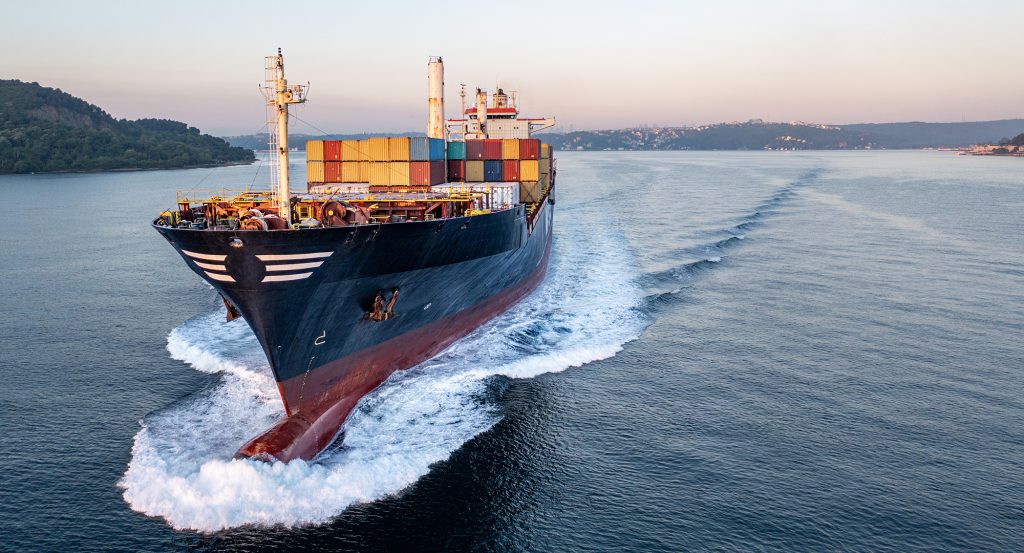
The U.S. and Iran have reached an interim agreement that includes reopening the Strait of Hormuz, alongside a 60-day window for broader negotiations. However, uncertainty around the terms and their implementation continues to cloud the timeline for restoring shipping operations.
According to Xeneta’s market update, Chief Analyst Peter Sand noted that network stability may not return until mid-September 2026, with spot rates likely to rise for at least another four weeks before reaching a peak.
Roughly 10% of global container shipping capacity has been affected by disruptions linked to the blockade, and Sand cautioned that the market volatility will not ease quickly, noting that “this scale of disruption and market volatility cannot be reversed overnight.”
Even after a formal reopening, operational challenges are likely to persist. As reported by Freightos, the safe resumption of vessel traffic will depend on extensive de-mining and security efforts in the waterway. Industry estimates suggest it may take several weeks for traffic levels to recover to even half of pre-conflict levels. Full normalization, particularly for oil flows, could take up to six months.
Energy markets remain a critical component influencing freight costs. According to a ShippingWatch report citing Bloomberg, close to 80 million barrels of oil are sitting in the Persian Gulf, awaiting transit through the Strait of Hormuz if shipping activity resumes.
While a reopening would support a gradual easing of fuel pressures, the existing backlog and extended transit timelines are expected to keep costs elevated in the near term. Freightos explained, “In addition to out of place tankers and damage to infrastructure, even once vessels exit, it takes about seven weeks for crude to arrive in the Far East, with an even longer timeline for availability of refined products like bunker and jet fuel first dependent on those crude shipments arriving.”
In addition to these constraints, global container shipping spot rates have surged to their highest levels in two years. A combination of geopolitical instability, congestion at Southeast Asian transshipment hubs, and an early peak season has accelerated demand. Shippers are frontloading imports ahead of anticipated bunker fuel surcharge increases in July and capacity constraints. Xeneta also reported shippers being told that many Asia-origin sailings are already fully booked weeks in advance.
Source: Xeneta, Freightos, ShippingWatch